
Process Overview
Semiconductor integrated circuits are manufactured by forming diodes, transistors, and other electronic components on semiconductor substrates through processes such as oxidation, etching, diffusion, and deposition. These processes enable complex logic functions (e.g. AND, OR, NAND) to be integrated within extremely small surface areas.
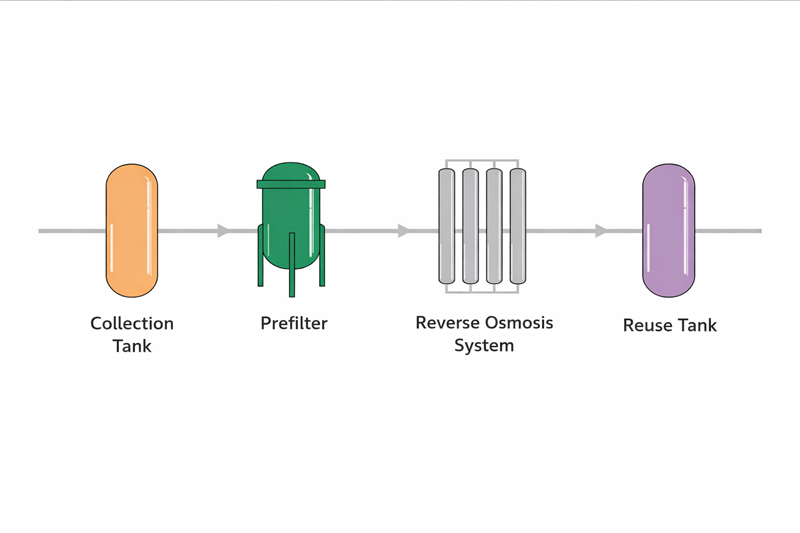
Due to the high precision and complexity of semiconductor fabrication—covering photolithography, precision cutting, polishing, and multiple wet processes—the manufacturing process generates large volumes of wastewater. In addition, process cooling water (PCW) used in semiconductor facilities must also be treated and filtered for reuse, as described in water treatment applications.
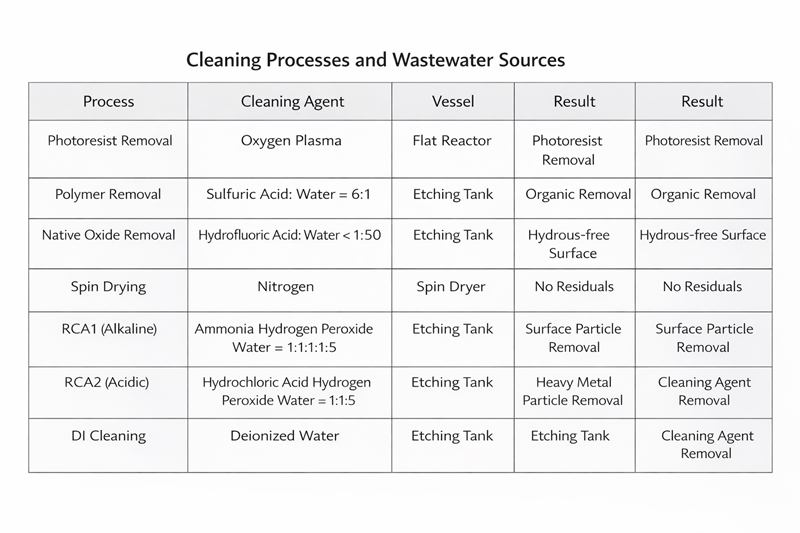
Characteristics of Semiconductor Wastewater
Semiconductor manufacturing wastewater is characterized by:
- Large wastewater generation volumes
- Highly complex composition
- Multiple contaminant types present simultaneously
Typical contaminants include:
- Heavy metals, such as silicon, germanium, and other transitional elements
- Fluoride-containing wastewater, commonly generated from etching processes
- Organic wastewater with relatively high COD levels
These characteristics make semiconductor wastewater treatment technically challenging and highly process-dependent.
Key Challenges in Wastewater Treatment
Large Wastewater Volume
The continuous and high-throughput nature of semiconductor manufacturing results in substantial wastewater discharge, placing pressure on treatment capacity and operational stability.
Complex Contaminant Composition
Wastewater often contains a mixture of inorganic and organic pollutants, including heavy metals and fluoride, requiring advanced separation and removal technologies.
High COD Levels
Certain process streams contain elevated COD concentrations that are difficult to remove using conventional treatment methods.
Filtration Solutions for Semiconductor Wastewater
To address these challenges, advanced membrane-based filtration technologies are increasingly applied in semiconductor wastewater treatment systems.
Ceramic Membrane Filtration Systems
Application Advantages
- Compact footprint, suitable for centralized treatment and limited plant space
- Intelligent control and centralized operation
- High-quality permeate with effective removal of phosphates and COD
- Excellent chemical resistance to acids and alkalis
- Long service life and simplified maintenance
Process Simplification
- Simplified process flow compared to conventional treatment methods
- Reduced or eliminated chemical dosing requirements
- Improved operational stability and consistency
Benefits of Advanced Wastewater Filtration
- Stable compliance with environmental discharge standards
- Reduced operational complexity
- Improved water reuse efficiency
- Lower long-term operating and maintenance costs
Products Overview
Explore our comprehensive range of industrial filtration products
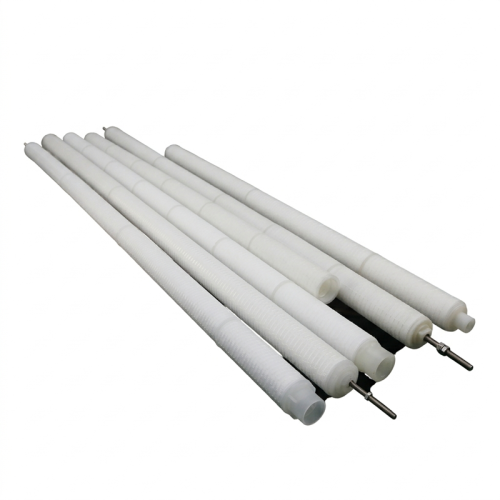
Membrane Pleated Filters
Membrane Pleated Filter Cartridges CMI Membrane Pleated Filter Cartridges…
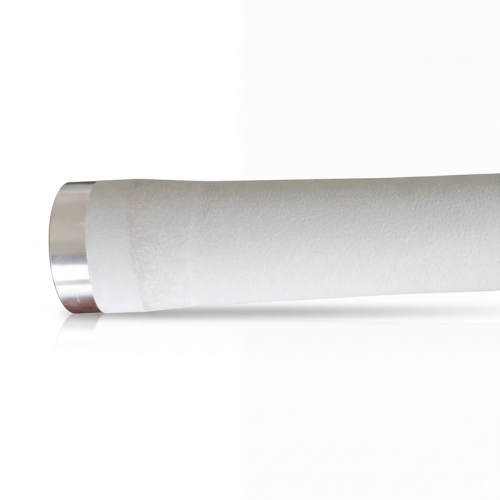
Asymmetric Sintered Metal Membrane Filter
Asymmetric Sintered Metal Membrane Filter High-Precision Surface Filtration with High…
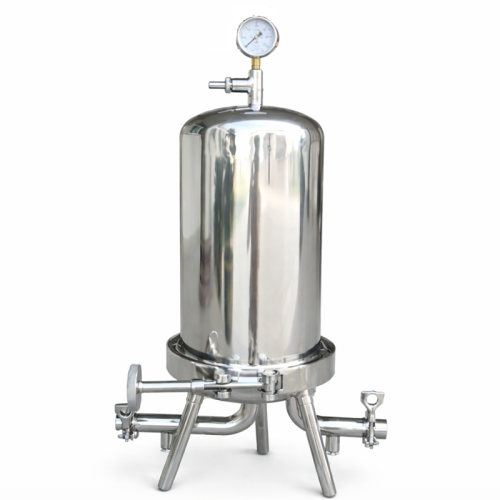
Sanitary Filter
Product Overview CMI offers a complete range of sanitary-grade filter…
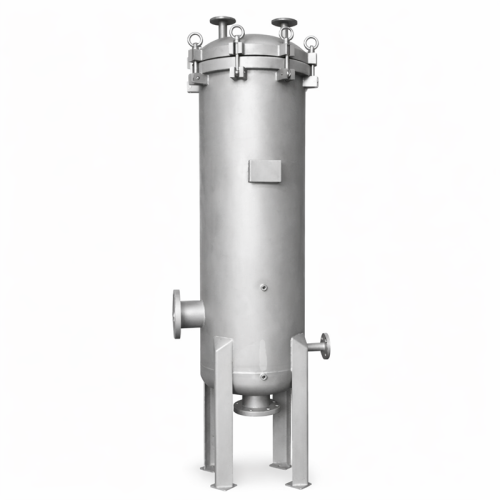
Multi-Cartridge Filter
Product Overview CMI Multi-Cartridge Filter Housings are designed for high-flow…