
Overview of Dry Etching Technology
Dry etching refers to the process of removing material from the surface of silicon wafers under non-liquid conditions using physical or chemical mechanisms. Common dry etching technologies include plasma etching and reactive ion etching (RIE).
The core principle of dry etching is to generate plasma under low-pressure conditions, where specific process gases react with wafer materials to achieve precise material removal and pattern transfer.
Compared with wet etching, dry etching offers:
- Higher dimensional accuracy
- Better anisotropy and directionality
- Lower chemical consumption
As a result, dry etching is widely adopted in advanced semiconductor manufacturing.
Role of Etching Gases in Semiconductor Processes
Dry etching gases are critical process materials whose performance directly affects device quality and yield. Commonly used dry etching gases include:
- Fluorine-based gases
- Chlorine- and bromine-based gases
- Passivation gases
- Auxiliary and carrier gases
These gases work together within the plasma environment to achieve controlled etching rates, selectivity, and feature definition on wafer surfaces.
Purity Requirements for Dry Etching Gases
Gas purity is one of the key factors distinguishing electronic-grade materials from industrial-grade products. In semiconductor processes, etching gases come into direct contact with silicon wafers or display glass substrates.
Even trace levels of contamination can result in:
- Pattern defects
- Surface contamination
- Electrical performance degradation
- Yield loss
Therefore, dry etching gases used in semiconductor manufacturing typically require purity levels of 99.999% (5N) or higher.
Filtration Challenges in Etching Gas Systems
- Removal of sub-micron particles
- Control of trace contaminants
- Compatibility with corrosive and oxidizing gases
- Stability under high-temperature and high-purity conditions
For corrosive gases such as chlorine-based etchants, filtration systems must provide both chemical resistance and thermal stability without introducing secondary contamination.
Ultra-High Purity Gas Filtration Solutions
CMI provides ultra-high purity gas filtration solutions designed specifically for semiconductor dry etching applications.
Key Filtration Functions
- Removal of fine particles and trace impurities from etching gases
- Protection of downstream process tools and chambers
- Stabilization of etching performance and process repeatability
Material Compatibility and Performance
For aggressive and corrosive etching gases, perfluorinated polymer-based ultra-high purity gas filter elements are applied, offering:
- Excellent resistance to strong oxidizing and corrosive gases
- High-temperature tolerance
- Low extractables and low outgassing characteristics
These filters are suitable for bulk gases, oxidizing gases, and highly corrosive gas service in semiconductor fabrication environments.
Benefits of Proper Etching Gas Filtration
- Improved pattern transfer accuracy
- Reduced defect density
- Stable and repeatable etching processes
- Enhanced overall device yield
Products Overview
Explore our comprehensive range of industrial filtration products
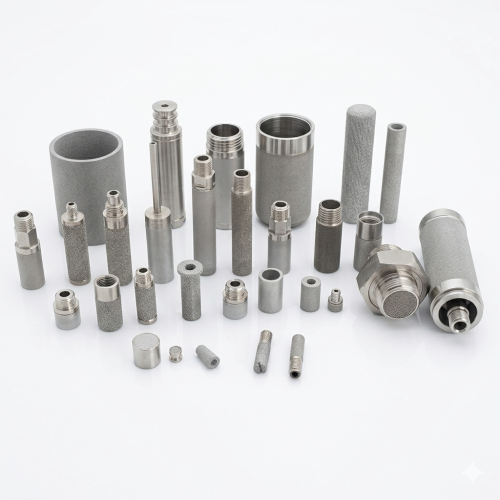
Porous Metal Components
Porous Metal Components Precision Sintered Metal Parts for Filtration, Flow…
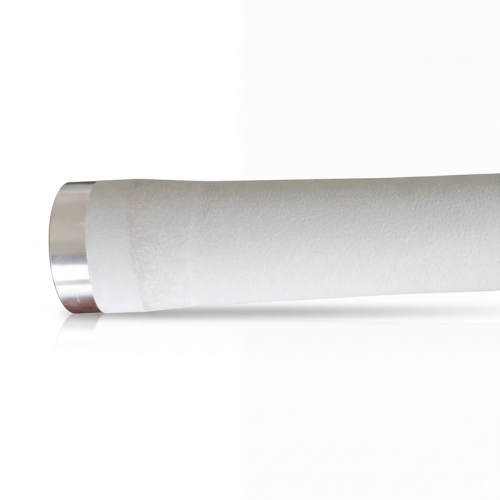
Asymmetric Sintered Metal Membrane Filter
Asymmetric Sintered Metal Membrane Filter High-Precision Surface Filtration with High…
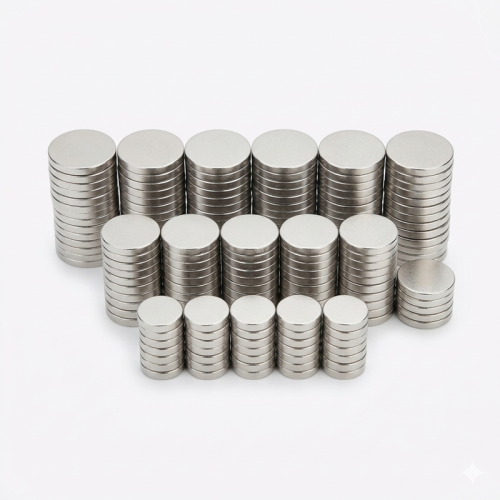
Sintered Metal Powder Discs
Sintered Metal Powder Filter Discs Round, Square, and Custom-Shaped Porous…
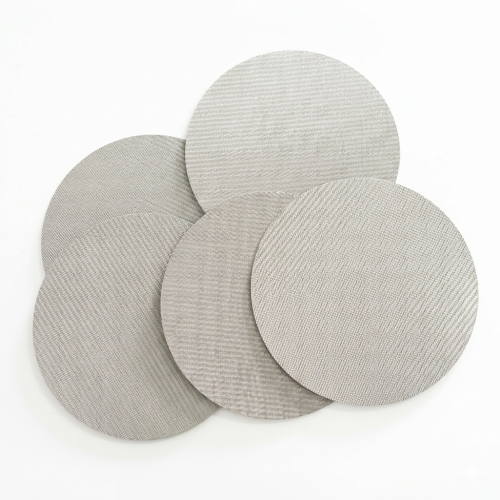
Sintered Metal Mesh Components
Sintered Metal Mesh Components Diffusion-Bonded Multi-Layer Mesh for High-Strength, Surface…