
Overview of Optical Fiber Manufacturing
Optical fiber is the primary transmission medium for modern optical communication systems. The industry is characterized by high technical barriers, significant capital investment, and strict quality requirements, making it a representative high-technology sector.
The optical fiber manufacturing process typically includes:
- Preform core rod fabrication
- Preform over-cladding
- Optical fiber drawing
Each stage places stringent demands on material purity and process stability.
Optical Fiber Preform Manufacturing
The fabrication of optical fiber preforms is the most critical and technically challenging step in optical fiber production.
As the core raw material of optical fiber, preform quality directly determines key fiber characteristics, including:
- Material purity
- Tensile strength
- Effective refractive index profile
- Optical attenuation
Preform Manufacturing Technologies
At present, optical fiber preforms are commonly produced using a two-step process: first forming the core rod, followed by the addition of an outer cladding layer (over-cladding) to produce the complete preform.
Mainstream preform fabrication technologies include:
- MCVD (Modified Chemical Vapor Deposition)
- VAD (Vapor Axial Deposition)
- OVD (Outside Vapor Deposition)
- PCVD (Plasma Chemical Vapor Deposition)
These processes rely heavily on high-purity gases and chemicals, making filtration a fundamental requirement.
Optical Fiber Drawing Process
Compared with preform fabrication, the optical fiber drawing process is relatively straightforward and typically includes four main steps:
- Drawing
- Screening
- Testing
- Packaging
Among these, fiber drawing is the key operation.
During drawing, the optical fiber preform is placed at the top of the drawing tower and heated to high temperatures until softened. The molten preform is then drawn into bare fiber under controlled tension.
At the same time, a protective coating is applied to the newly drawn fiber to ensure adequate mechanical strength and long-term performance.
Role of Filtration in Optical Fiber Production
At every stage of optical fiber manufacturing, filtration plays a critical role in ensuring product purity and quality.
Contaminants introduced through gases or chemicals can lead to defects such as:
- Increased optical attenuation
- Reduced mechanical strength
- Process instability
- Yield loss
CMI provides reliable filtration solutions designed to support stable processes and consistent optical fiber quality.
Ultra-High Purity Gas Filtration
Gas Purity Requirements
Gases commonly used in optical fiber production include:
- Hydrogen
- Helium
- Nitrogen
These gases must be particle-free and contamination-free to prevent adverse effects on optical properties during deposition and drawing processes.
Filtration Solutions for Process Gases
CMI’s ultra-high purity gas filtration solutions are designed to remove fine particles and trace contaminants from process gases.
- Filtration ratings down to 3 nm
- Particle removal efficiency up to 9 LRV
- Protection of critical deposition and reaction processes
These filtration systems help ensure stable chemical reactions and maintain the purity required for high-performance optical fibers.
Chemical Filtration for Optical Fiber Manufacturing
Chemical Contamination Challenges
Various chemicals are used throughout optical fiber production. Particles or impurities present in these chemicals can negatively affect fiber strength, optical performance, and long-term reliability.
Filtration Solutions for Process Chemicals
CMI provides comprehensive chemical filtration solutions for optical fiber manufacturing:
- Selection of appropriate filtration technologies based on chemical properties
- Flexible filter media and housing options
- Reliable removal of particles and impurities
These solutions ensure consistent liquid purity across different process stages.
Benefits of Proper Filtration in Optical Fiber Production
- Stable preform quality
- Low optical attenuation
- Improved fiber mechanical performance
- Consistent and repeatable production
- Compliance with industry quality standards
Products Overview
Explore our comprehensive range of industrial filtration products
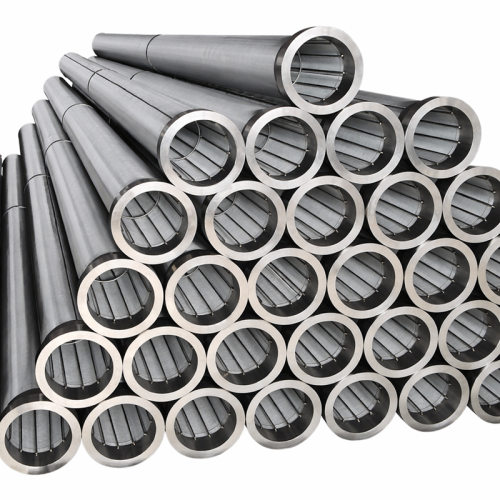
Metal Fiber Bag Filter
Metal Fiber Bag Filter High-Temperature Sintered Metal Filter Bags for…
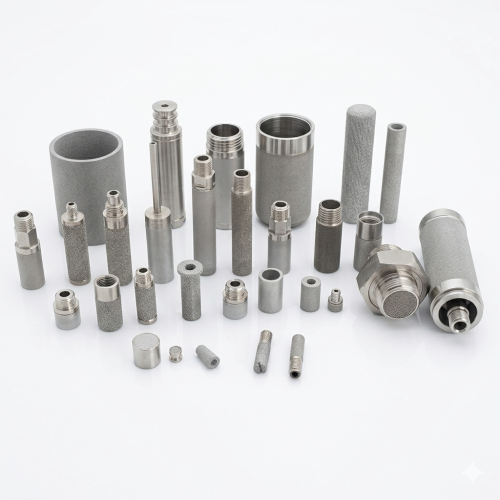
Porous Metal Components
Porous Metal Components Precision Sintered Metal Parts for Filtration, Flow…
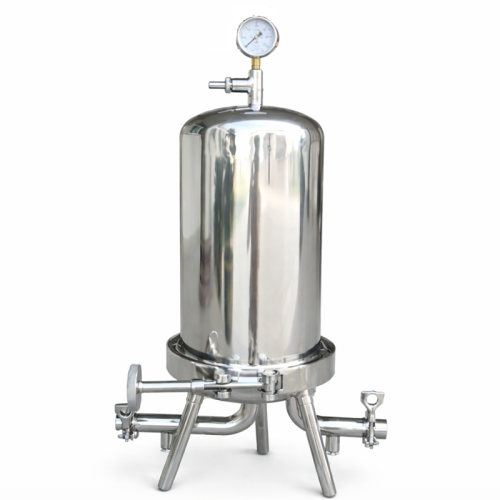
Sanitary Filter
Product Overview CMI offers a complete range of sanitary-grade filter…
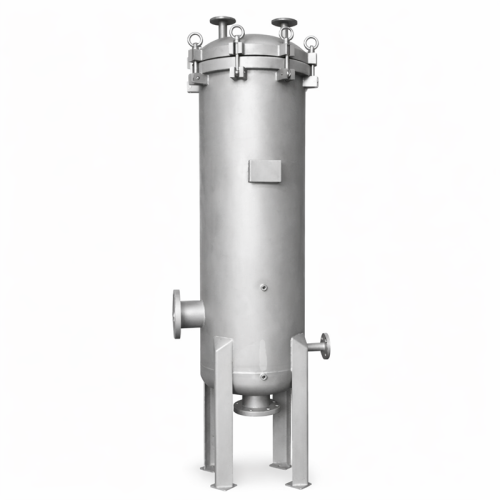
Multi-Cartridge Filter
Product Overview CMI Multi-Cartridge Filter Housings are designed for high-flow…