
The main costs of compressed air come from:
- Energy consumption during air generation
- Losses caused by leakage and pressure drop
Poor compressed air management leads to rapid system deterioration. Residual oil, water, solid particles, and microorganisms can contaminate the compressed air and ultimately compromise product safety and quality.
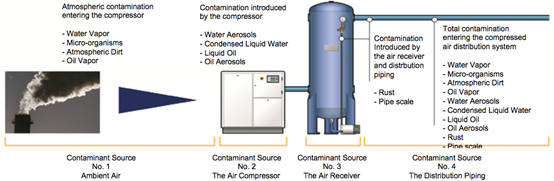
Risks of Poor Compressed Air Quality
In food and beverage plants, contaminated compressed air may cause:
- Product contamination during direct or indirect contact
- Quality deviations and batch rejection
- Damage to pneumatic equipment and valves
- Increased maintenance and operating costs
For hygienic production environments, compressed air must therefore be treated as a critical process medium, not just a utility.
Key Aspects of Compressed Air Management
Effective compressed air management in food and beverage applications typically focuses on three key areas.
1. Effective Removal of Contaminants
Compressed air often contains multiple types of contaminants introduced during compression and distribution. Typical contaminants include:
- Oil aerosols and oil vapor
- Water and condensate
- Solid particles
- Microorganisms and bio-contaminants
Proper filtration and purification are essential to remove these contaminants and prevent the formation of deposits and microbial growth within the system.
2. Minimizing Pressure Loss from Compressor to Point of Use
Excessive pressure drop increases energy consumption and reduces system efficiency. Key considerations include:
- Correct filter sizing
- Optimized filter grade selection
- Proper layout of the compressed air treatment system
Reducing pressure loss from the compressor to the point of use helps lower operating costs while ensuring stable air supply.
3. Eliminating System Losses and Inefficiencies
System losses are often caused by:
- Air leakage
- Inefficient or oversized drying equipment
- Malfunctioning condensate drains
These issues lead to unnecessary energy waste and unstable compressed air quality. Regular monitoring and proper selection of compressed air treatment components help minimize such losses.
Typical Compressed Air Purification Solutions
For food and beverage applications, compressed air purification systems commonly include:
- Pre-filters for bulk particle and liquid removal
- Coalescing filters for oil and fine aerosol removal
- Activated carbon filters for oil vapor and odor removal
- Sterile-grade final filters for microbial control
These components are selected and combined based on application requirements, air quality targets, and hygiene standards.
CMI Compressed Air Filtration Solutions
CMI provides compressed air purification solutions designed for food and beverage production environments, including:
- Food-grade compressed air filter housings
- Multi-stage compressed air filtration systems
- Filtration solutions for direct and indirect product contact
- Customized skid-mounted compressed air treatment packages
Our solutions help customers achieve clean, stable, and cost-efficient compressed air systems, supporting hygienic production and regulatory compliance.
Products Overview
Explore our comprehensive range of industrial filtration products
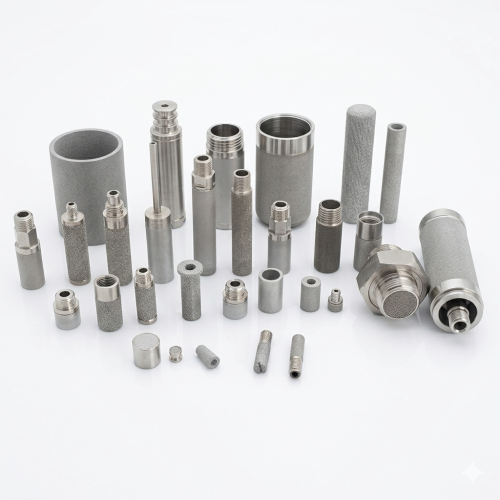
Porous Metal Components
Porous Metal Components Precision Sintered Metal Parts for Filtration, Flow…
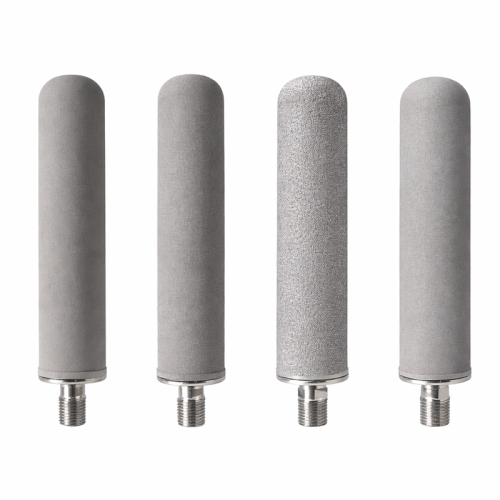
Sintered Metal Powder Filter
CMI Sintered Metal Powder Filter Cartridges High-Performance Filtration for Demanding…
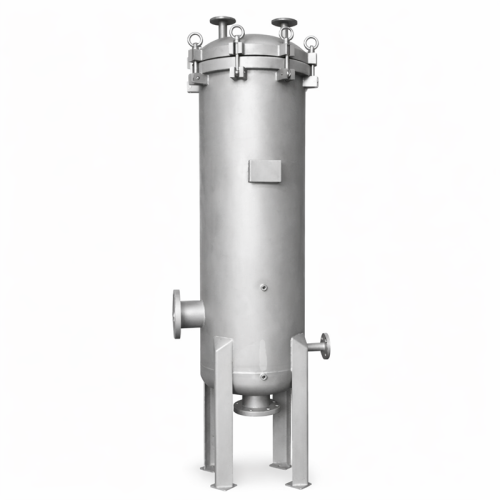
Multi-Cartridge Filter
Product Overview CMI Multi-Cartridge Filter Housings are designed for high-flow…
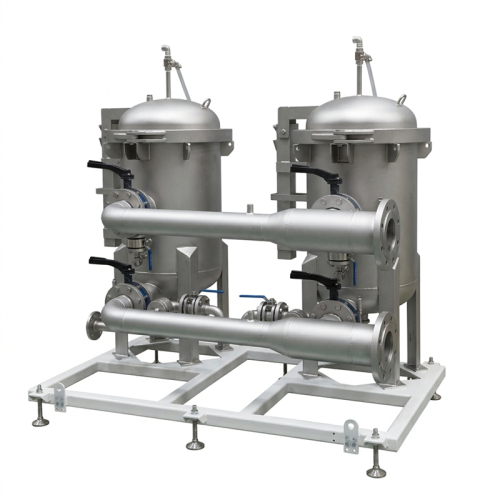
Bag Filter Skid
Bag Filter Skid Systems Pre-Assembled, Skid-Mounted Multi-Bag Filtration Solutions CMI…