
Process Overview
Natural gas dehydration systems are used to remove residual water vapor from gas streams in order to meet pipeline specifications and protect downstream equipment. Dehydration is typically achieved through desiccant-based adsorption systems or absorption processes.
Because these systems rely on sensitive media and internal structures, gas cleanliness is critical for maintaining dehydration efficiency and long-term operational reliability.
Key Challenges in Gas Dehydration Systems
Solid contaminants present in natural gas streams can cause significant operational issues within dehydration systems. Typical challenges include:
- Plugging of desiccant beds due to solid particles
- Degradation of adsorption capacity
- Loss of desiccant material
- Reduced dehydration efficiency
- Increased maintenance and unplanned downtime
Once contamination occurs, dehydration systems may suffer irreversible performance loss and increased replacement costs.
Filtration Strategy for Natural Gas Dehydration
Effective filtration must be implemented both upstream and downstream of dehydration systems to ensure stable performance and protect critical equipment.
Upstream Protection of Dehydration Units
Preventing contamination before the dehydration process
- Application: Protection of absorption towers, regeneration towers, and internal distributors
- Solution: Absolute-rated cartridge filtration systems installed upstream
- Function: Removes particulate contaminants before entering dehydration units
- Benefit: Extends desiccant service life and maintains stable adsorption performance
Filtration at Dehydration System Inlet
Handling high contaminant loading and deformable particles
- Challenge: Natural gas streams may contain soft, deformable solids and high particulate load
- Limitation: Surface filtration technologies (automatic backwash filters, sintered metal filters, membrane filters) are not suitable for this condition
- Recommended Solution: High dirt-holding disposable depth filter elements
- Advantage: Maintains stable performance under high contamination conditions with cost-effective operation
Downstream Filtration of Dehydrated Gas
Final polishing and equipment protection
- Application: Removal of fine particles and desiccant carryover from dry gas streams
- Solution: Multi-element dry gas cartridge filters
- Function: Protects compressors and downstream processing units
Amine Sweetening – Coalescing Filtration
Associated gas conditioning process
- Application: Amine-based gas sweetening systems
- Function: Coalescers recover entrained amine liquids from gas streams
- Benefit: Reduces amine loss, protects downstream equipment, and lowers operating costs
Benefits of Proper Dehydration Filtration
- Equipment Protection: Prevents damage to sensitive dehydration internals
- Process Stability: Maintains consistent dehydration performance
- Reduced Media Loss: Minimizes desiccant carryover and replacement frequency
- Reliability: Improves downstream compressor and system performance
- Cost Efficiency: Reduces maintenance and operating costs
Typical Applications
- Natural gas dehydration units
- Gas sweetening and conditioning systems
- Compressor protection systems
- Downstream gas processing facilities
Products Overview
Explore our comprehensive range of industrial filtration products
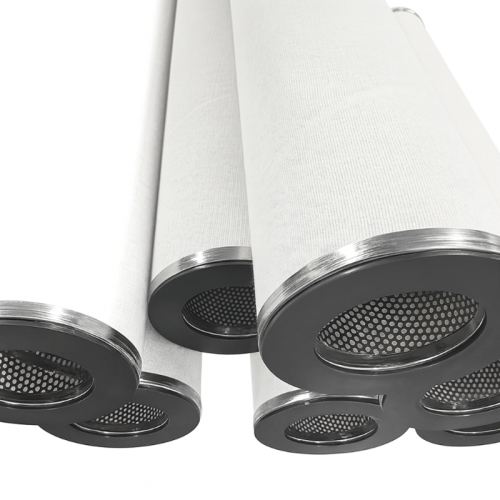
Liquid / Liquid Coalescer Filters
Liquid / Liquid Coalescer Filters High-Efficiency Phase Separation for Challenging…
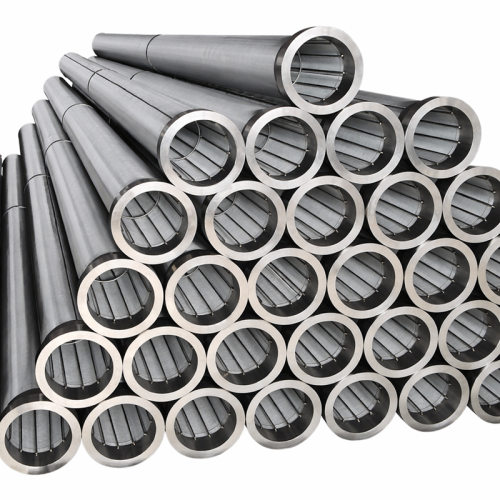
Metal Fiber Bag Filter
Metal Fiber Bag Filter High-Temperature Sintered Metal Filter Bags for…
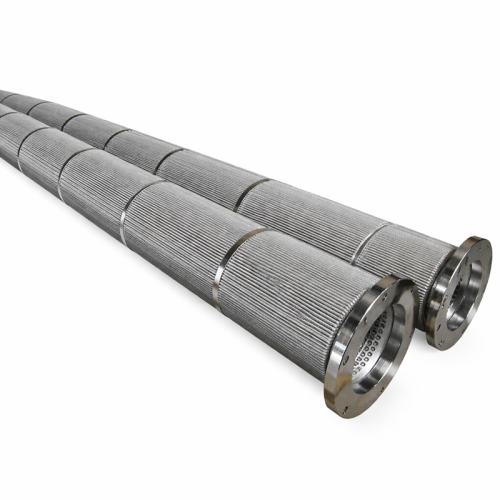
Sintered Metal Mesh Dust Filter
Sintered Metal Mesh Dust Filter High-Strength Metal Filter Element for…
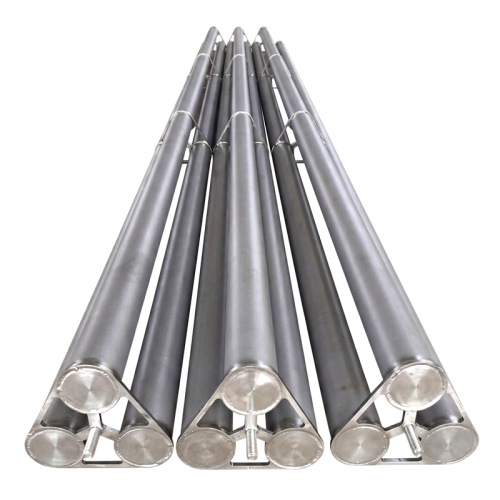
Multi-Tube Sintered Metal Filter Assembly
Multi-Tube Sintered Metal Filter Assembly High-Flow Sintered Filter Module for…